𝐌𝐄𝐃𝐈𝐀 𝐊𝐄𝐘 𝐈𝐍𝐒𝐈𝐆𝐇𝐓𝐒 | 𝟐𝟐 𝐒𝐄𝐏𝐓𝐄𝐌𝐁𝐄𝐑 𝟐𝟎𝟐𝟔
𝐇𝐈𝐆𝐇 𝐂𝐎𝐏𝐏𝐄𝐑 𝐏𝐑𝐈𝐂𝐄𝐒, 𝐖𝐄𝐀𝐊𝐄𝐑 𝐊𝐖𝐀𝐂𝐇𝐀: 𝐖𝐇𝐘 𝐙𝐀𝐌𝐁𝐈𝐀 𝐌𝐔𝐒𝐓 𝐑𝐄𝐃𝐔𝐂𝐄 𝐈𝐌𝐏𝐎𝐑𝐓 𝐃𝐄𝐏𝐄𝐍𝐃𝐄𝐍𝐂𝐄
Zambia is benefiting from elevated copper prices, slowing inflation and continued investor interest in the mining sector.
However, the kwacha has remained under pressure.
Commercial banks were recently selling the kwacha at approximately K19.94 per United States dollar, compared with K19.53 one week earlier. Strong corporate demand for foreign currency, import payments and higher global energy prices have contributed to this pressure.
This presents an important economic contradiction.
Zambia is earning significant foreign exchange through copper exports, but the country continues to require substantial foreign currency to pay for energy, machinery, raw materials, equipment and finished products imported from other markets.
The lesson is clear: strong commodity prices alone cannot create lasting currency stability or industrial resilience.
𝐂𝐎𝐏𝐏𝐄𝐑 𝐑𝐄𝐌𝐀𝐈𝐍𝐒 𝐂𝐑𝐈𝐓𝐈𝐂𝐀𝐋
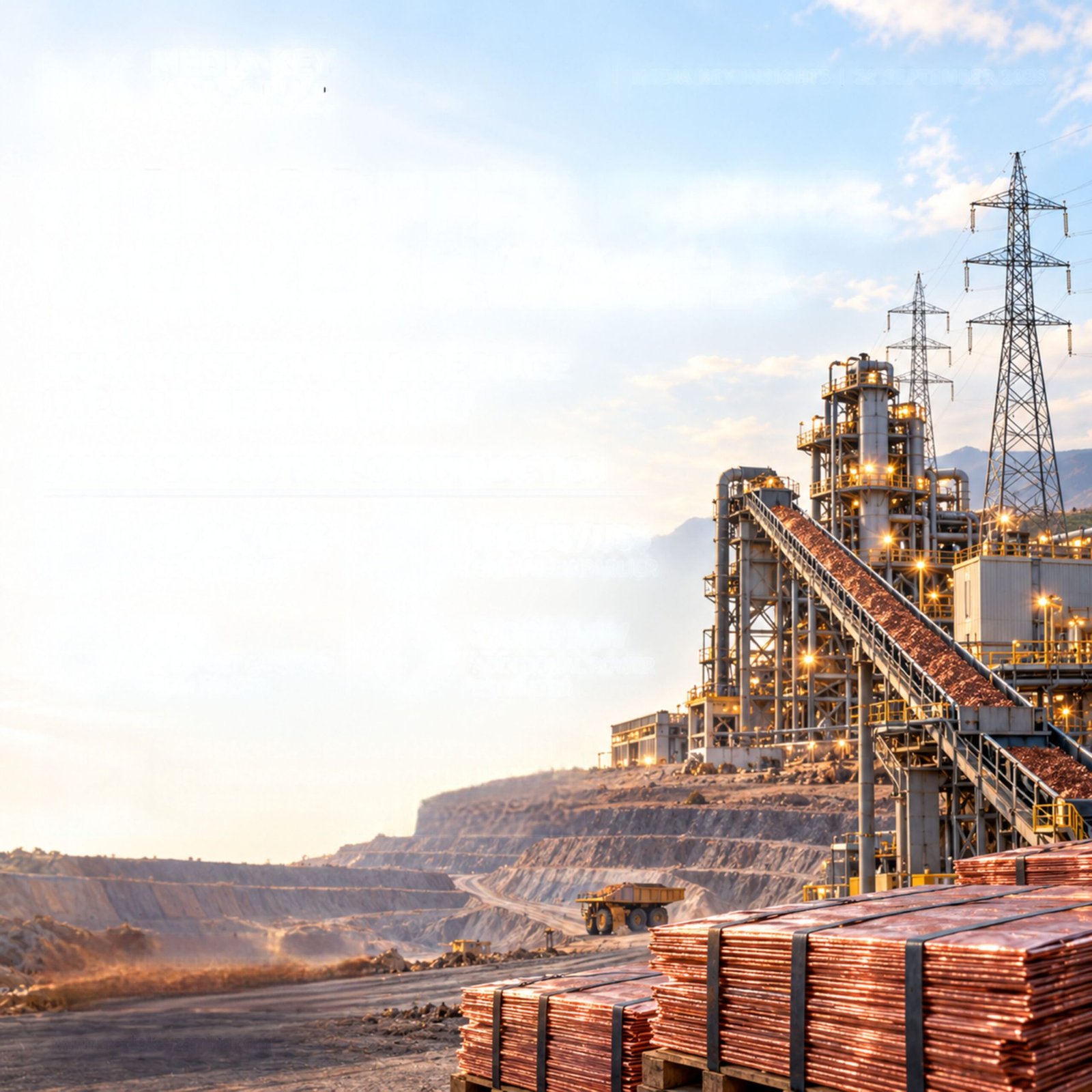
Mining remains the backbone of Zambia’s economy.
The sector generates approximately 72% of export earnings and accounts for nearly half of government revenue. Copper prices recently rose by more than 40% over a twelve month period to approximately US$14,000 per tonne.
This creates a major opportunity for Zambia.
Higher copper prices can increase export receipts, government revenue and investor interest. They can also support the country’s ambition to increase annual copper production to three million tonnes.
However, greater copper production will not automatically result in a stronger and more diversified economy.
The quality of growth will depend on what Zambia builds around its mineral resources.
𝐈𝐌𝐏𝐎𝐑𝐓 𝐃𝐄𝐏𝐄𝐍𝐃𝐄𝐍𝐂𝐄 𝐂𝐑𝐄𝐀𝐓𝐄𝐒 𝐂𝐔𝐑𝐑𝐄𝐍𝐂𝐘 𝐏𝐑𝐄𝐒𝐒𝐔𝐑𝐄
Every time a Zambian business imports fuel, machinery, packaging, chemicals, equipment or finished products, it requires foreign currency.
When demand for foreign currency rises faster than supply, pressure is placed on the kwacha. A weaker kwacha then increases the cost of importing production inputs, operating equipment and transporting goods.
These costs are eventually transferred to businesses and consumers.
Reducing import dependence does not mean Zambia should stop trading internationally. It means the country must become more strategic about what it imports, what it produces locally and where it can build competitive domestic capacity.
𝐋𝐎𝐂𝐀𝐋 𝐌𝐀𝐍𝐔𝐅𝐀𝐂𝐓𝐔𝐑𝐈𝐍𝐆 𝐈𝐒 𝐀 𝐂𝐔𝐑𝐑𝐄𝐍𝐂𝐘 𝐒𝐓𝐑𝐀𝐓𝐄𝐆𝐘
Local manufacturing is often discussed primarily in relation to employment and economic diversification.
It should also be understood as part of Zambia’s currency and trade strategy.
When products previously imported are manufactured locally, the country can reduce demand for foreign currency, retain more value within the economy and develop domestic supply chains.
The greatest opportunities are likely to be found in sectors where Zambia already has demand, resources or an emerging production base. These include agricultural inputs, food processing, construction materials, packaging, mining supplies, energy equipment, pharmaceuticals and consumer products.
Import substitution must still be commercially realistic. Local products need to meet the required standards, remain competitively priced and be available consistently.
The objective is not simply to produce locally. It is to build industries that can compete.
𝐄𝐍𝐄𝐑𝐆𝐘 𝐒𝐄𝐂𝐔𝐑𝐈𝐓𝐘 𝐈𝐒 𝐈𝐍𝐃𝐔𝐒𝐓𝐑𝐈𝐀𝐋 𝐂𝐎𝐌𝐏𝐄𝐓𝐈𝐕𝐄𝐍𝐄𝐒𝐒
Zambia’s copper expansion and manufacturing ambitions will require substantially more electricity.
Industry estimates indicate that at least 2,000 megawatts of additional generation capacity may be required to support the country’s copper production targets.
Without reliable and competitively priced energy, local manufacturers face higher operating costs, production interruptions and reduced competitiveness.
Investment in generation, transmission and alternative energy is therefore not separate from industrial development. It is one of its foundations.
𝐙𝐀𝐌𝐁𝐈𝐀 𝐌𝐔𝐒𝐓 𝐄𝐗𝐏𝐎𝐑𝐓 𝐌𝐎𝐑𝐄 𝐕𝐀𝐋𝐔𝐄
Zambia’s long term opportunity is not limited to exporting more copper.
The country must use its mineral position to attract investment in processing, manufacturing, engineering, technology, logistics and specialised services.
Greater value addition would allow Zambia to earn more from its resources while creating opportunities for local suppliers, professionals and enterprises.
This requires coordinated investment in infrastructure, skills, standards, financing, energy and market access.
It also requires strong communication. Investors need clear policies, credible information, predictable regulation and evidence that Zambia can support industrial projects throughout their complete life cycle.
𝐌𝐄𝐃𝐈𝐀 𝐊𝐄𝐘 𝐏𝐄𝐑𝐒𝐏𝐄𝐂𝐓𝐈𝐕𝐄
High copper prices are an important advantage, but they should not create a false sense of security.
Zambia’s economic strength will not be determined only by how much copper it exports. It will also depend on how much value it retains, how much it manufactures locally and how effectively it reduces unnecessary import dependence.
The movement of the kwacha is therefore more than a currency story. It is an industrial development story.
Vision 2030 requires Zambia to move from an economy that primarily exports resources and imports finished products towards one that produces, processes and competes.
Copper can finance that transition, but only deliberate investment in manufacturing, energy, local supply chains and value addition can make it sustainable.
#MediaKeyInsights #MediaKeyMarketingZambia #ZambianManufacturing #ImportSubstitution #CopperIndustry #IndustrialDevelopment #InvestmentCommunications #Vision2030 #UnlockEngageGrow