MEDIA KEY INSIGHTS | 17 NOVEMBER 2026
Manufacturing • Local Value Addition • Investment • Exports
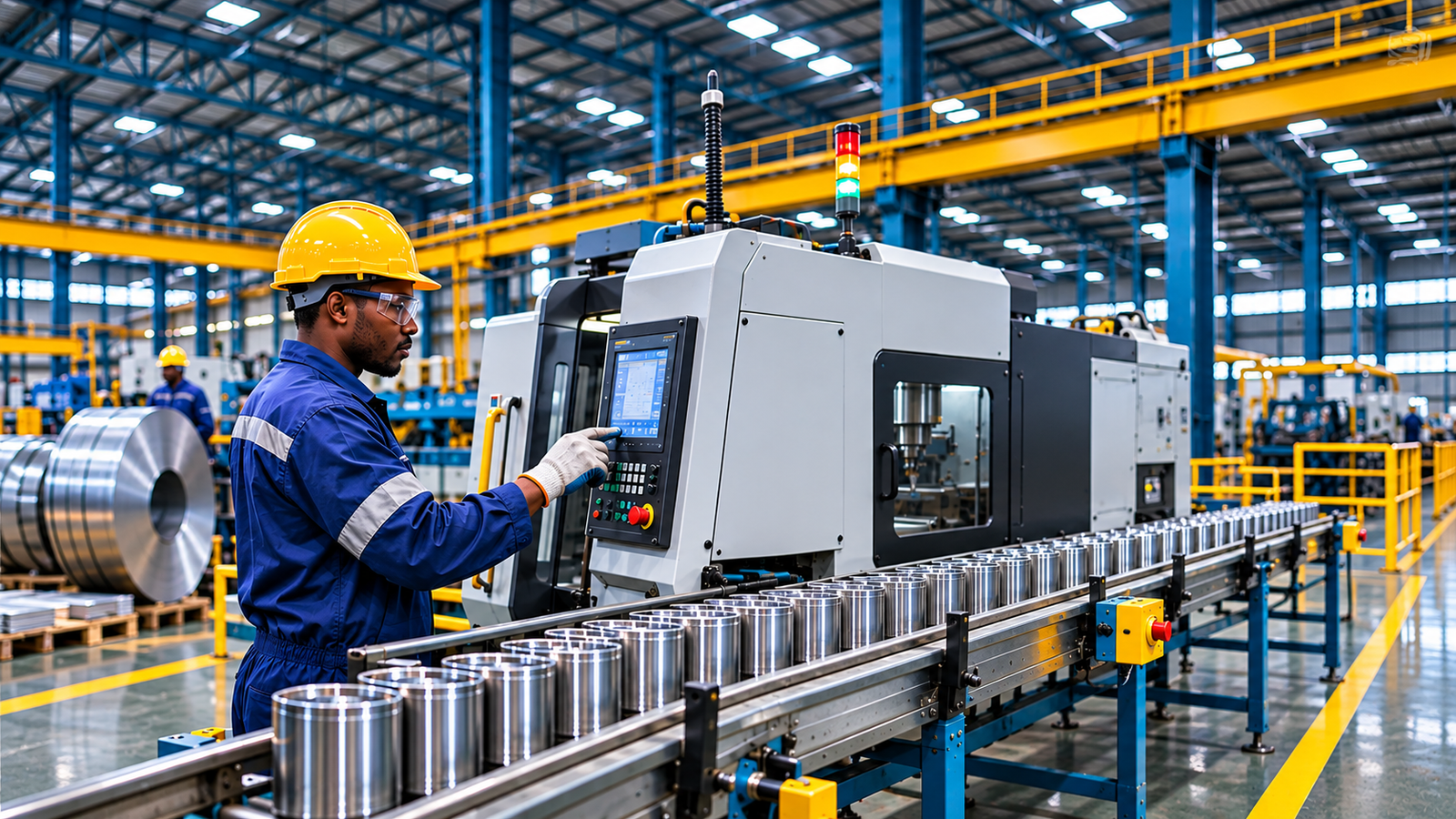
Zambia has outlined an ambitious new direction for its manufacturing sector, with Government targeting an increase in manufacturing’s contribution to Gross Domestic Product (GDP) from approximately 9% to 30% within five years.
The target was highlighted by Minister of Industry, Hon. Noel Nkhoma, during engagements with the Industrial Development Corporation (IDC) on 10 November 2026, alongside plans to develop a new Industrialisation Master Plan.
The proposed plan is expected to strengthen coordination between Government institutions, investors and manufacturers, with particular emphasis on local value addition, industrial competitiveness and job creation.
This ambition also reflects President Hakainde Hichilema’s investment-led economic philosophy, which places investment and trade at the centre of Zambia’s development agenda.
However, increasing manufacturing’s contribution to GDP to 30% will require more than attracting new factories.
It will require Zambia to build an industrial ecosystem capable of supporting production, processing, innovation and access to competitive markets.
MANUFACTURING | BUILDING A STRONGER INDUSTRIAL BASE
Manufacturing already represents an important component of Zambia’s investment landscape.
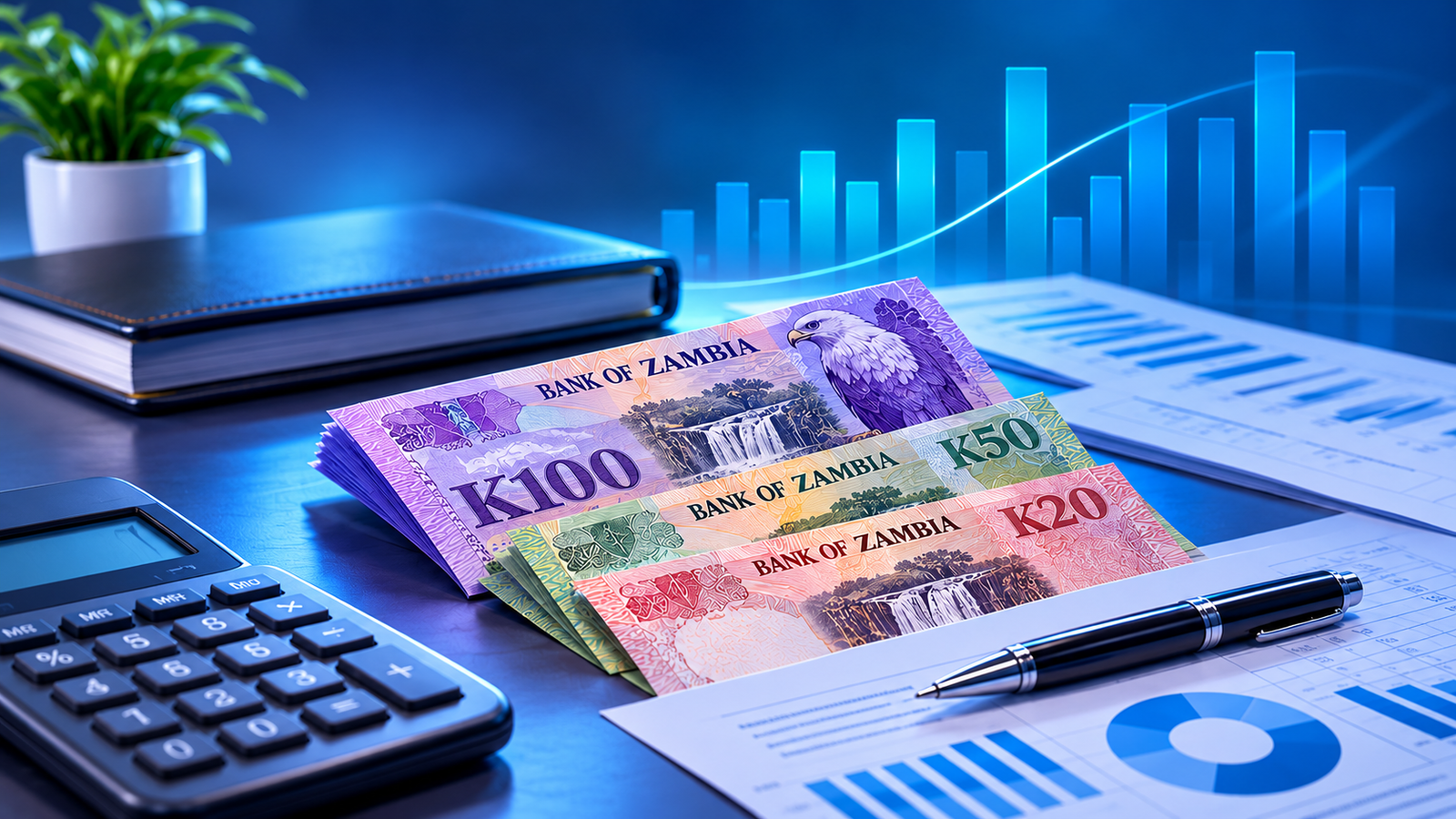
Government-reported figures indicate that manufacturing accounted for approximately 38.5% of actualised investment between 2021 and June 2026, supporting more than 46,000 jobs.
These developments demonstrate the sector’s potential to attract capital, create employment and strengthen domestic productive capacity.
However, increasing manufacturing’s contribution to GDP requires sustained growth in industrial output and value addition, not simply a higher number of investment announcements.
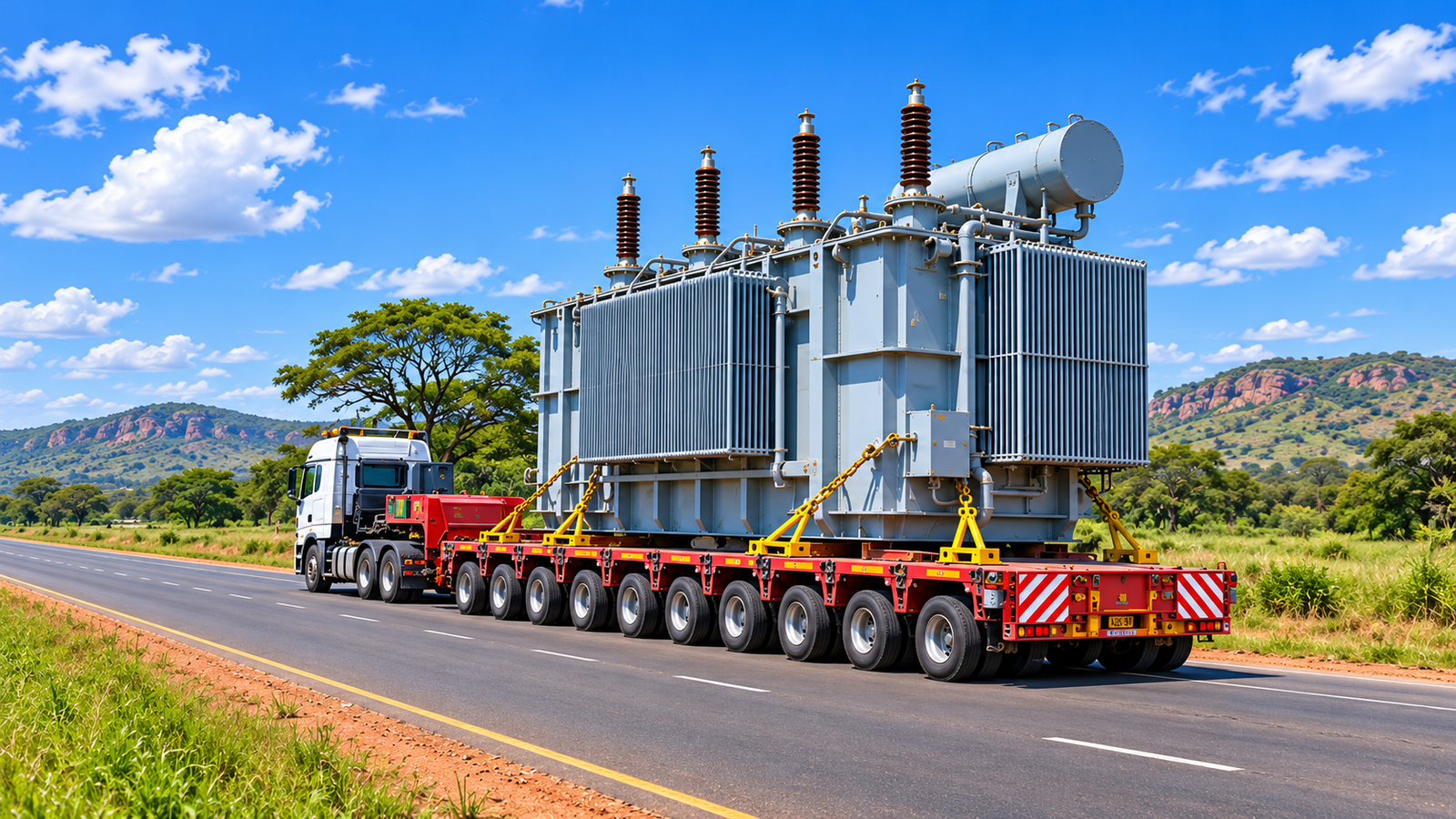
Reliable electricity, access to affordable financing, competitive production costs, efficient logistics and predictable regulations will remain essential.
The challenge is not only to establish more factories, but to ensure that those factories operate efficiently, remain competitive and contribute meaningfully to Zambia’s economic growth.
LOCAL VALUE ADDITION | PRODUCING MORE OF WHAT ZAMBIA CONSUMES AND EXPORTS
Zambia possesses significant opportunities to increase the economic value derived from its natural resources and agricultural production.
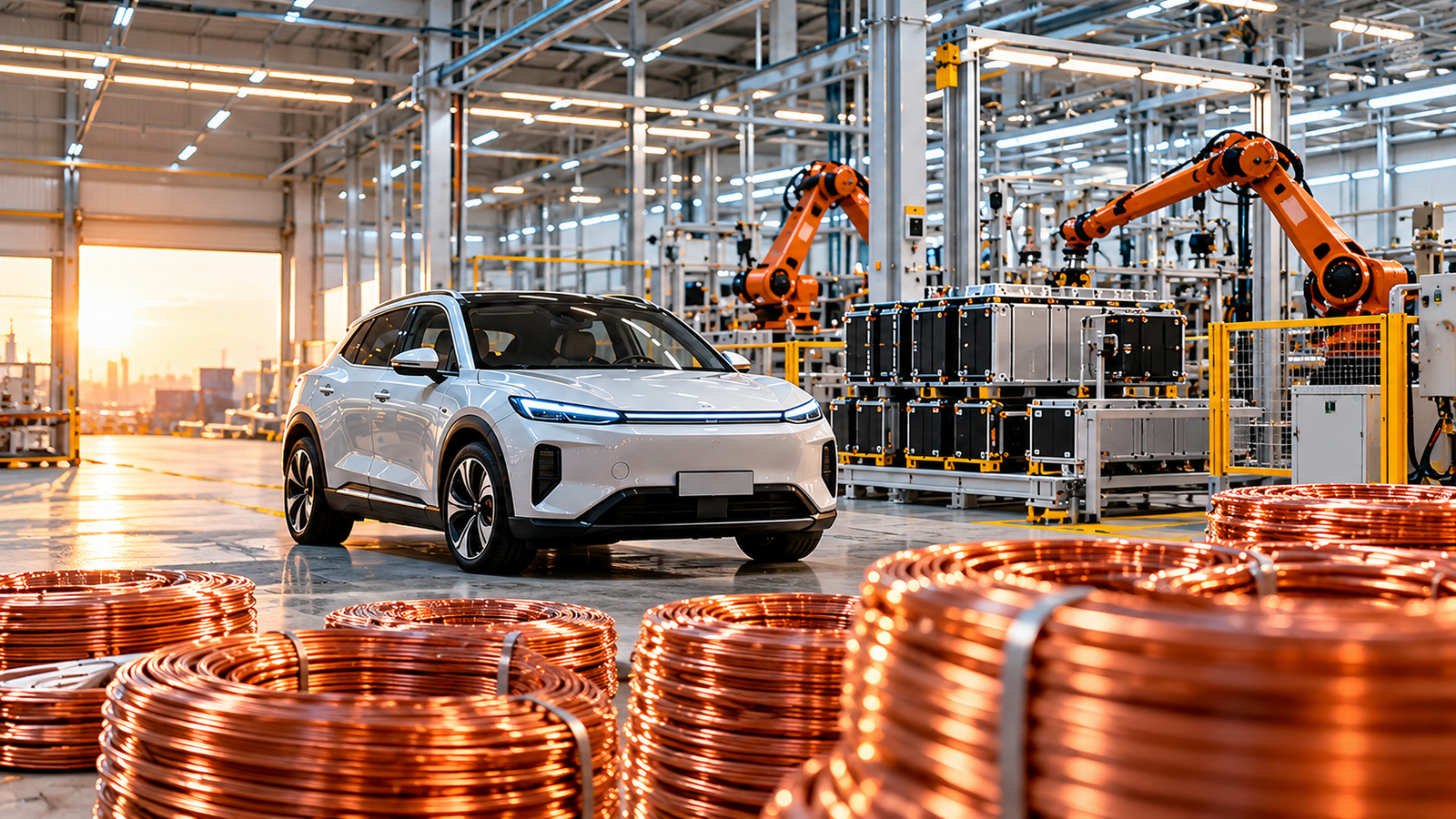
From fertilizer, construction materials and packaging to food processing, chemicals and mineral-based manufacturing, local industries can reduce dependence on imported finished products while creating opportunities for regional exports.
But local production must also be commercially sustainable.
This requires stronger connections between raw-material availability, processing facilities, technology, skilled labour, infrastructure and dependable markets.
The objective should not simply be to produce locally, but to produce efficiently, competitively and at a scale that supports long-term economic growth.
AGRICULTURE | CONNECTING FARM PRODUCTIVITY TO INDUSTRIAL GROWTH
Agriculture presents one of Zambia’s strongest opportunities for industrial expansion.
Increased crop production creates demand for fertilizer, irrigation equipment, storage facilities, packaging, transport and agro-processing.
Similarly, a stronger manufacturing sector can support farmers through locally produced agricultural inputs, processing equipment and improved supply chains.
Under the Grow Zambia Agenda, Government has outlined ambitious agricultural production targets, including 10 million metric tonnes of maize, three million metric tonnes of soya beans, and one million metric tonnes each of wheat and sugar.
Achieving these targets will require greater agricultural productivity, reliable inputs, irrigation development, mechanisation and stronger market connections.
The relationship between agriculture and manufacturing is therefore critical.
When agricultural production and industrial processing grow together, Zambia can retain more economic value, create additional employment and strengthen its position in regional trade.
FOREIGN INVESTMENT | FROM CAPITAL ATTRACTION TO ECONOMIC IMPACT
President Hakainde Hichilema has repeatedly emphasised the importance of investment and trade in driving Zambia’s economic development.
Speaking during the October 2026 groundbreaking of United Capital Fertilizer’s expansion project in Chilanga, the President reinforced this approach through his call to “seek first economic growth through investment and trade.”
The philosophy places productive investment at the beginning of a wider economic process, where expanding businesses create demand for workers, suppliers, transporters, contractors and professional services.
As Zambia works towards increasing manufacturing’s contribution to GDP, this approach becomes particularly relevant.
Foreign investment can provide the financing, technology, expertise and market connections required to establish and expand industries.
However, the emphasis must extend beyond attracting capital.
Investment commitments must translate into operational facilities, local procurement, technology transfer, skilled employment, production capacity and export opportunities.
Memoranda of understanding and announced investment values represent important steps, but actual economic impact must be assessed through implementation and measurable results.
Investment may be the starting point, but productive capacity and sustainable economic value must be the outcome.
TRADE & EXPORTS | POSITIONING ZAMBIAN INDUSTRIES FOR REGIONAL MARKETS
As Zambia strengthens its industrial base, access to competitive regional and international markets will become increasingly important.
Neighbouring economies, including the Democratic Republic of Congo and countries across the Southern African region, present opportunities for locally manufactured fertilizer, construction materials, packaging, processed foods and other industrial products.
However, export competitiveness requires consistent quality, reliable supply, appropriate certification, efficient logistics and sustained commercial relationships.
Zambia’s industrialisation strategy must therefore connect production capacity with market development.
A factory’s contribution to economic growth becomes even stronger when its products can compete beyond the domestic market, generate export earnings and support wider supply chains.
FROM POLICY AMBITION TO INDUSTRIAL DELIVERY
The proposed Industrialisation Master Plan represents an opportunity to strengthen the relationship between industrial policy and private-sector implementation.
For Zambia to move from approximately 9% to 30% manufacturing contribution to GDP within five years, the country will require clear priorities, coordinated institutions, competitive operating conditions and measurable implementation milestones.
The target is ambitious and will depend on sustained investment, infrastructure development, productivity improvements and access to markets.
President Hichilema’s investment-first approach provides an important starting point, but the ultimate measure of success will be what follows that investment.
Factories must become operational. Zambian suppliers must participate. Workers must acquire skills. Agricultural production must connect to processing. Locally manufactured products must reach competitive markets.
Zambia’s industrial future will not be defined by how many factories are announced, but by how much value those factories create.
MEDIA KEY INSIGHTS
Unlock. Engage. Grow.
Media Key Marketing provides strategic communications, brand strategy, public relations and investment support services, helping businesses communicate their contribution to Zambia’s economic and industrial development.
#MediaKeyInsights #MediaKeyMarketing #ZambiaManufacturing #Industrialisation #LocalValueAddition #ForeignInvestment #GrowZambiaAgenda #MadeInZambia #Vision2030