MEDIA KEY INSIGHTS | NOVEMBER 2026
Production • Local Value Addition • Jobs • Exports
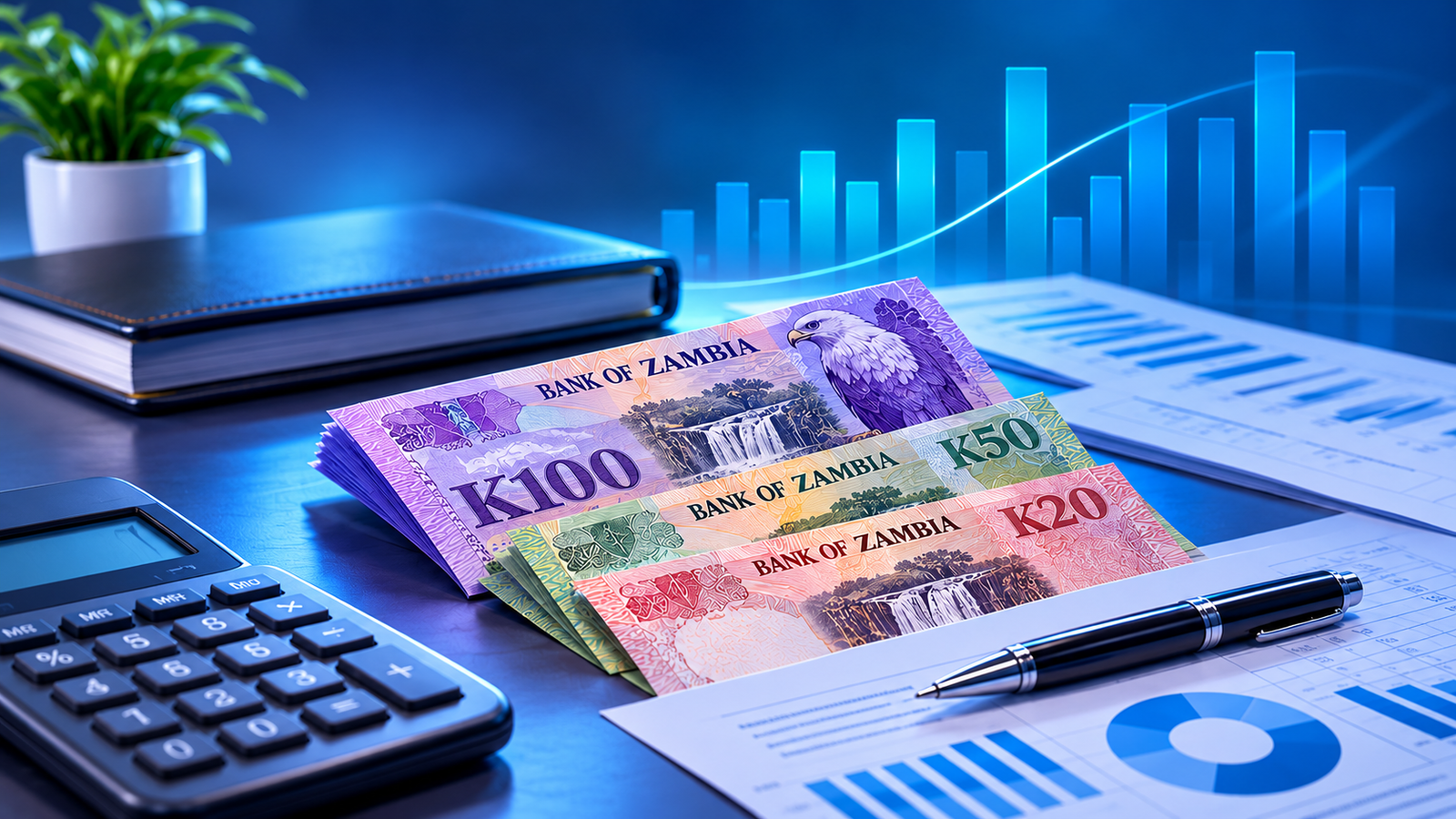
Zambia’s proposed K284.8 billion 2027 National Budget signals a continued shift in the country’s economic priorities, from stabilisation towards increased production, industrial development, agricultural transformation and export competitiveness.
With projected domestic revenue of K233.7 billion, an allocation of K22.7 billion proposed for agriculture, fisheries and livestock, and more than 1,400 megawatts of additional electricity generation capacity projected for 2027, the Budget outlines an ambitious direction for Zambia’s productive sectors.
However, the significance of these figures goes beyond budgetary allocations.
The real measure of progress will be Zambia’s ability to translate policy commitments into productive investment, operational industries, sustainable employment and stronger participation in regional and international markets.
MANUFACTURING | STRENGTHENING ZAMBIA’S INDUSTRIAL BASE
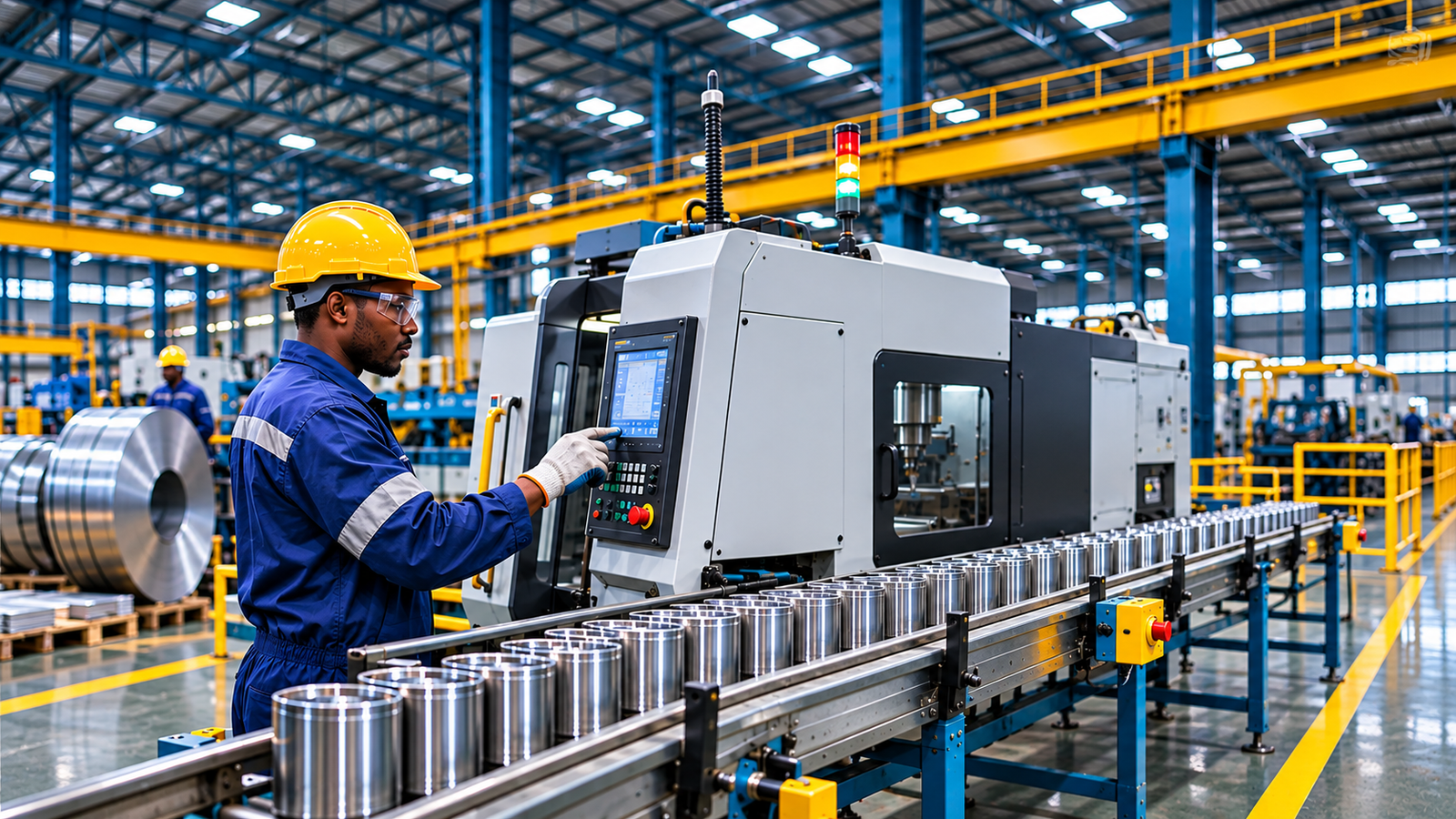
Manufacturing remains central to Zambia’s ambition to diversify its economy, increase local value addition and reduce dependence on imported finished products.
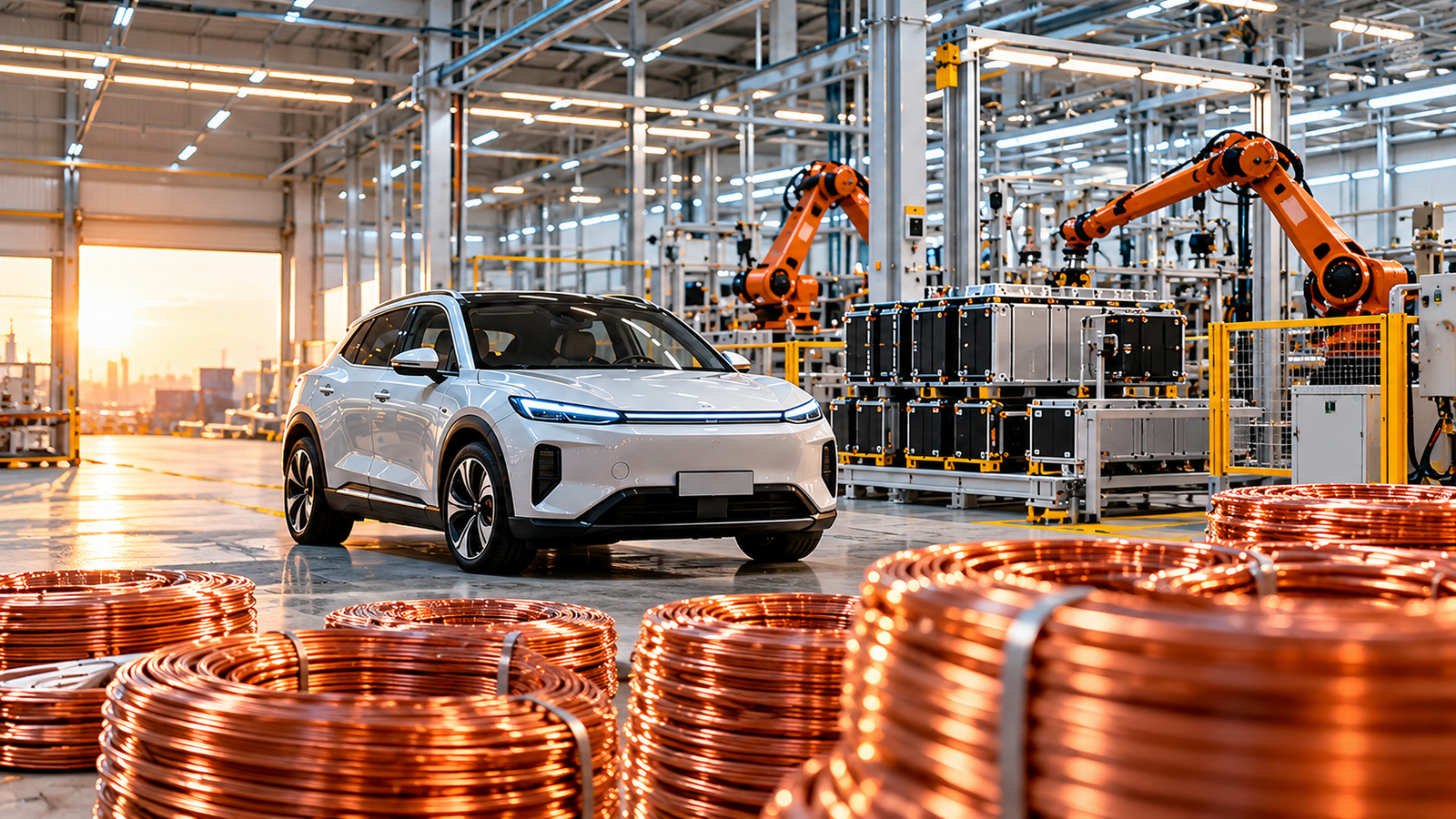
Continued investment in fertilizer production, construction materials, packaging, chemicals, agro-processing and industrial infrastructure presents opportunities to strengthen domestic supply chains while positioning Zambia as a competitive regional manufacturing destination.
But industrial growth requires more than capital commitments.
Reliable electricity, affordable financing, efficient logistics, skilled labour and access to markets remain critical to ensuring that investments translate into commercially sustainable operations.
For Zambia, the opportunity lies in building industries that do not simply serve the domestic market but can compete across the region.
AGRICULTURE | FROM HIGHER PRODUCTION TO GREATER ECONOMIC VALUE
The proposed K22.7 billion allocation to agriculture, fisheries and livestock reflects the sector’s continued importance to food security, employment and economic growth.
Government’s proposed transition towards agricultural loan-based support also introduces an important conversation about sustainable financing, farmer productivity and access to agricultural inputs.
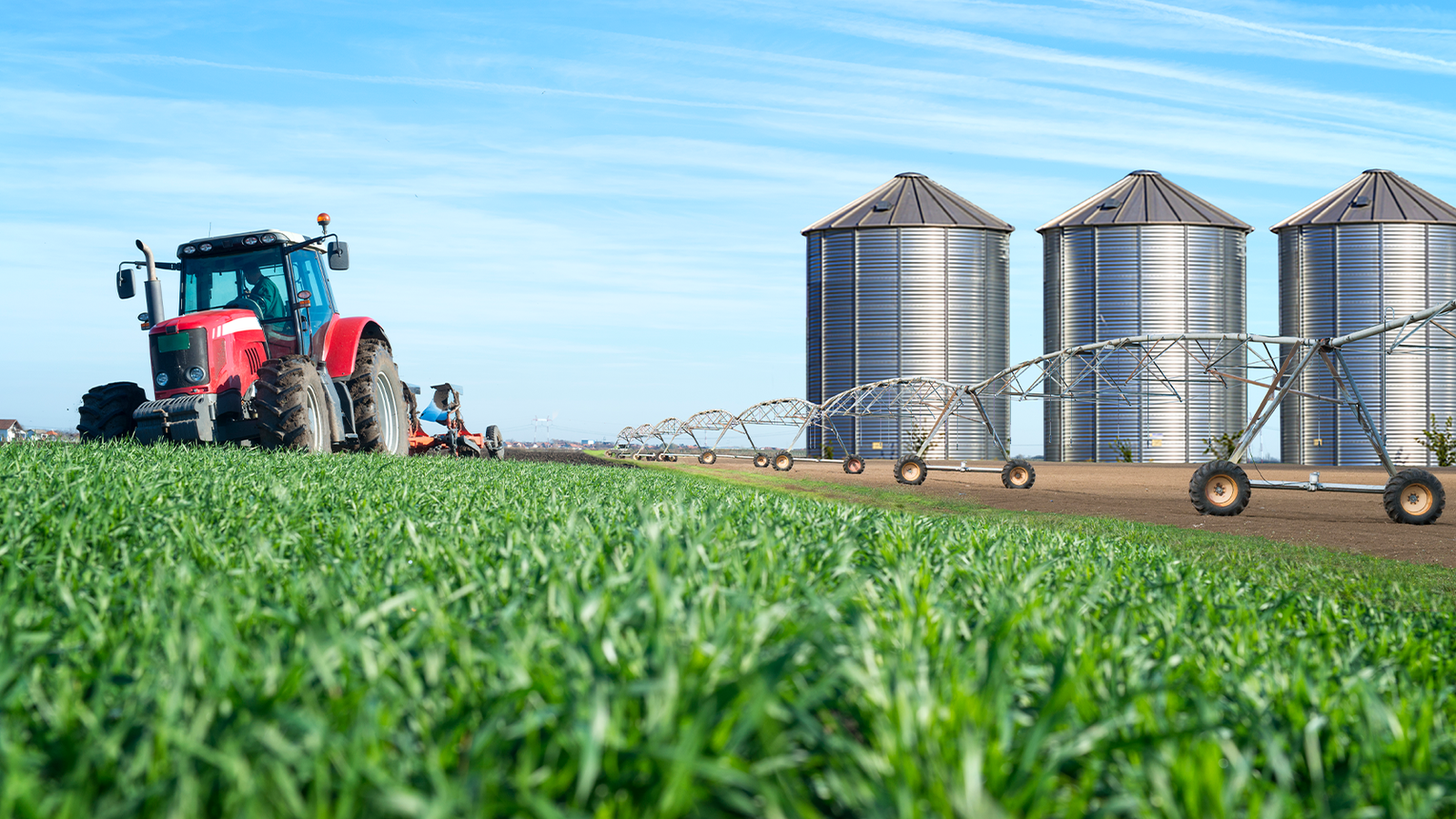
However, increasing agricultural output must be matched by investment in irrigation, mechanisation, storage, processing, transport and market development.
Greater agricultural production creates stronger economic value when crops can be processed locally, post-harvest losses are reduced and farmers have reliable access to profitable markets.
Agriculture and manufacturing must therefore grow together, connecting farm productivity to industrial processing and regional trade.
ENERGY | POWERING THE NEXT PHASE OF INDUSTRIALISATION
Reliable and affordable electricity remains one of the most important foundations for Zambia’s industrial competitiveness.
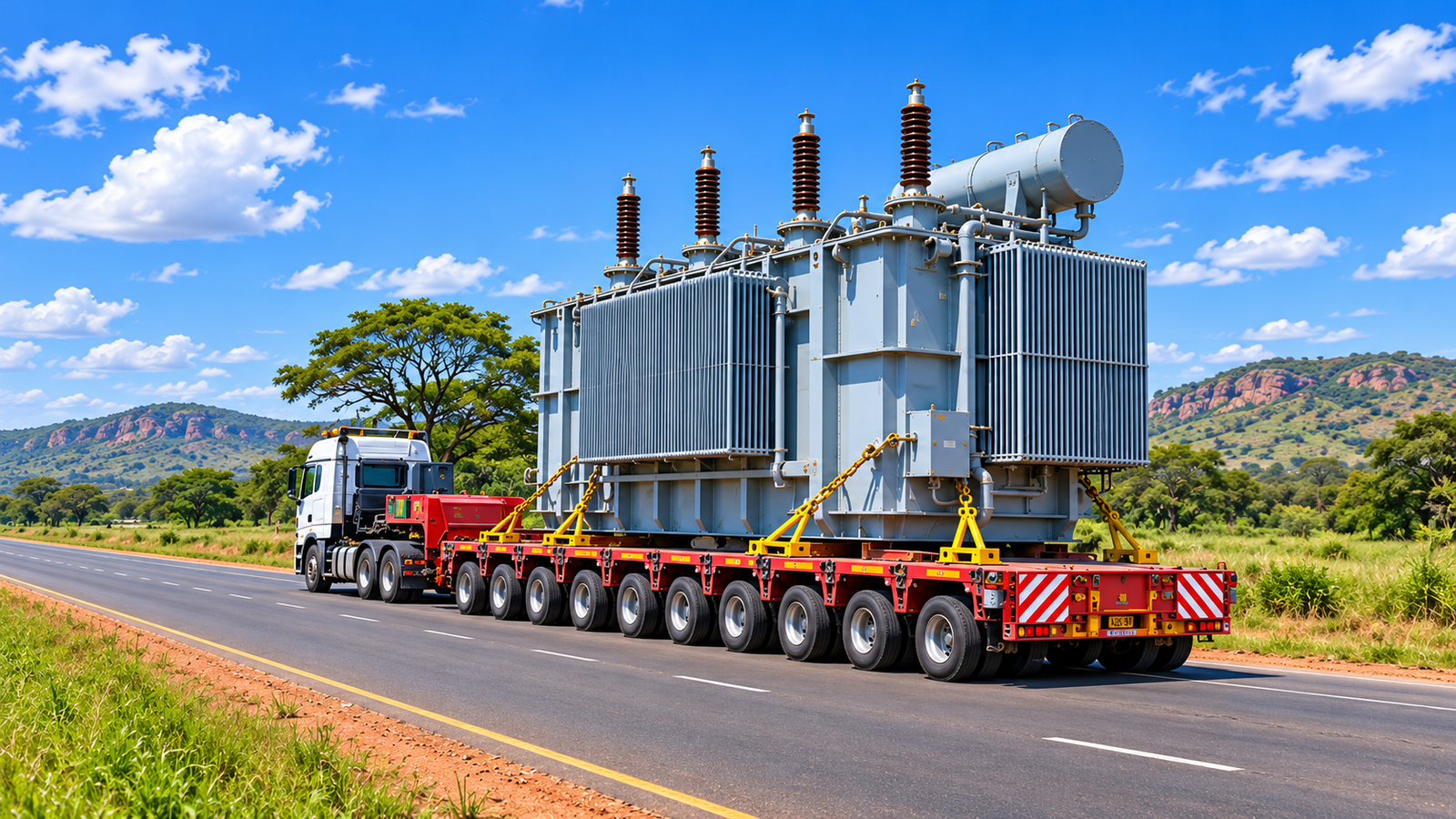
Government’s projection of more than 1,400 MW in additional generation capacity during 2027 signals the scale of its energy ambitions.
Successful delivery could support manufacturers, agricultural processors, mining operations and other energy-intensive industries by improving operational reliability and creating conditions for further investment.
The challenge will be converting projected capacity into commissioned, dependable electricity supply.
For businesses, energy security is not simply an infrastructure issue. It directly affects production costs, competitiveness, investor confidence and the ability to meet market demand.
FOREIGN INVESTMENT | MOVING FROM COMMITMENTS TO ACTUALISATION
Zambia’s growing international investment engagements continue to create opportunities in manufacturing, agriculture, energy, infrastructure and trade.
Yet the distinction between announced investment commitments and actualised investment remains essential.
Memoranda of understanding, investment pledges and proposed projects signal commercial interest. Their contribution to economic development becomes measurable through financing, implementation, operational facilities, employment, technology transfer and local supplier participation.
For Zambia, the priority must be to ensure that foreign investment strengthens domestic productive capacity while creating meaningful opportunities for Zambian businesses and professionals.
TRADE & EXPORTS | TAKING ZAMBIAN PRODUCTS TO REGIONAL MARKETS
As Zambia strengthens its manufacturing and agricultural sectors, access to competitive regional and international markets will become increasingly important.
Opportunities within neighbouring economies, particularly the Democratic Republic of Congo and the wider Southern African region, present potential markets for fertilizer, agricultural commodities, processed foods, construction materials and industrial products.
However, export competitiveness requires consistent product quality, reliable supply, appropriate certification, efficient logistics and sustained commercial relationships.
The objective should not only be to produce more in Zambia, but to ensure that more Zambian-made products successfully reach competitive markets.
THE BIGGER PICTURE | TURNING ECONOMIC AMBITION INTO RESULTS
The proposed 2027 National Budget provides an important framework for Zambia’s next phase of economic development.
Its success will depend on coordinated implementation between Government, investors, manufacturers, farmers, financial institutions and the wider private sector.
Agriculture must connect with processing. Energy investment must support productive industries. Manufacturing must connect with domestic and export markets. Foreign investment must create opportunities for local participation.
Ultimately, Zambia’s economic progress will be measured not simply by the value of its budgets or investment announcements, but by the industries it develops, the products it manufactures, the jobs it creates and the markets it serves.
FROM STABILITY TO PRODUCTIVE GROWTH — THE NEXT CHAPTER MUST BE DEFINED BY DELIVERY.
MEDIA KEY INSIGHTS
Unlock. Engage. Grow.
Media Key Marketing provides strategic communications, brand management, public relations and investment support services, helping businesses communicate their contribution to Zambia’s economic and industrial development.
#MediaKeyInsights #Zambia2027Budget #GrowZambiaAgenda #Manufacturing #Agriculture #ForeignInvestment #LocalValueAddition #MadeInZambia #Vision2030