MEDIA KEY INSIGHTS | 13 OCTOBER 2026
US$1.5 BILLION FOR STABILITY: WHAT MUST ZAMBIA’S NEW IMF PROGRAMME UNLOCK FOR GROWTH?
Zambia has reached a staff-level agreement with the International Monetary Fund on a proposed three-year Extended Credit Facility worth approximately US$1.5 billion.
The proposed programme is intended to preserve macroeconomic stability, strengthen Zambia’s resilience and support the country’s growth ambitions.
This is an important development. However, a staff-level agreement is not the same as final approval or immediate disbursement. The programme remains subject to approval by the IMF Executive Board, which is expected around December 2026.
If approved, the financing is expected to be released through seven instalments over three years.
The announcement signals continued international confidence in Zambia’s reform direction. The bigger question, however, is what that stability will unlock for businesses, investors and citizens.
STABILITY IS A FOUNDATION
Macroeconomic stability matters because businesses require a reasonably predictable environment in which to invest, employ people and plan for growth.
More stable public finances, manageable inflation, currency stability and disciplined borrowing can strengthen investor confidence and reduce uncertainty across the economy.
However, stability alone does not build factories, process agricultural products, expand exports or create sustainable employment.
It creates the conditions in which productive investment can take place.
The next phase must therefore focus on converting economic credibility into measurable improvements across Zambia’s productive sectors.
WHAT MUST THE PROGRAMME UNLOCK?
For manufacturers, farmers, exporters and other private-sector participants, the value of an IMF-supported programme will ultimately be judged through the wider operating environment.
Businesses need:
* Predictable taxation and regulation
* Reliable and affordable energy
* Access to patient, long-term productive finance
* Efficient transport and logistics infrastructure
* Faster approvals and reduced administrative barriers
* Consistent export and industrial policies
* Stronger domestic supply chains
* A stable environment for investment and expansion
Without progress in these areas, macroeconomic stability may not translate into meaningful growth at company, community or household level.
FROM ECONOMIC GROWTH TO PRODUCTIVE GROWTH
The IMF has projected Zambia’s economy to grow by approximately 5.6% in 2026, supported by agriculture, mining and exports.
This projection is encouraging, but the composition of growth matters.
Growth becomes more valuable when it expands local production, increases value addition, develops suppliers, creates skilled employment and strengthens Zambia’s participation in regional and international markets.
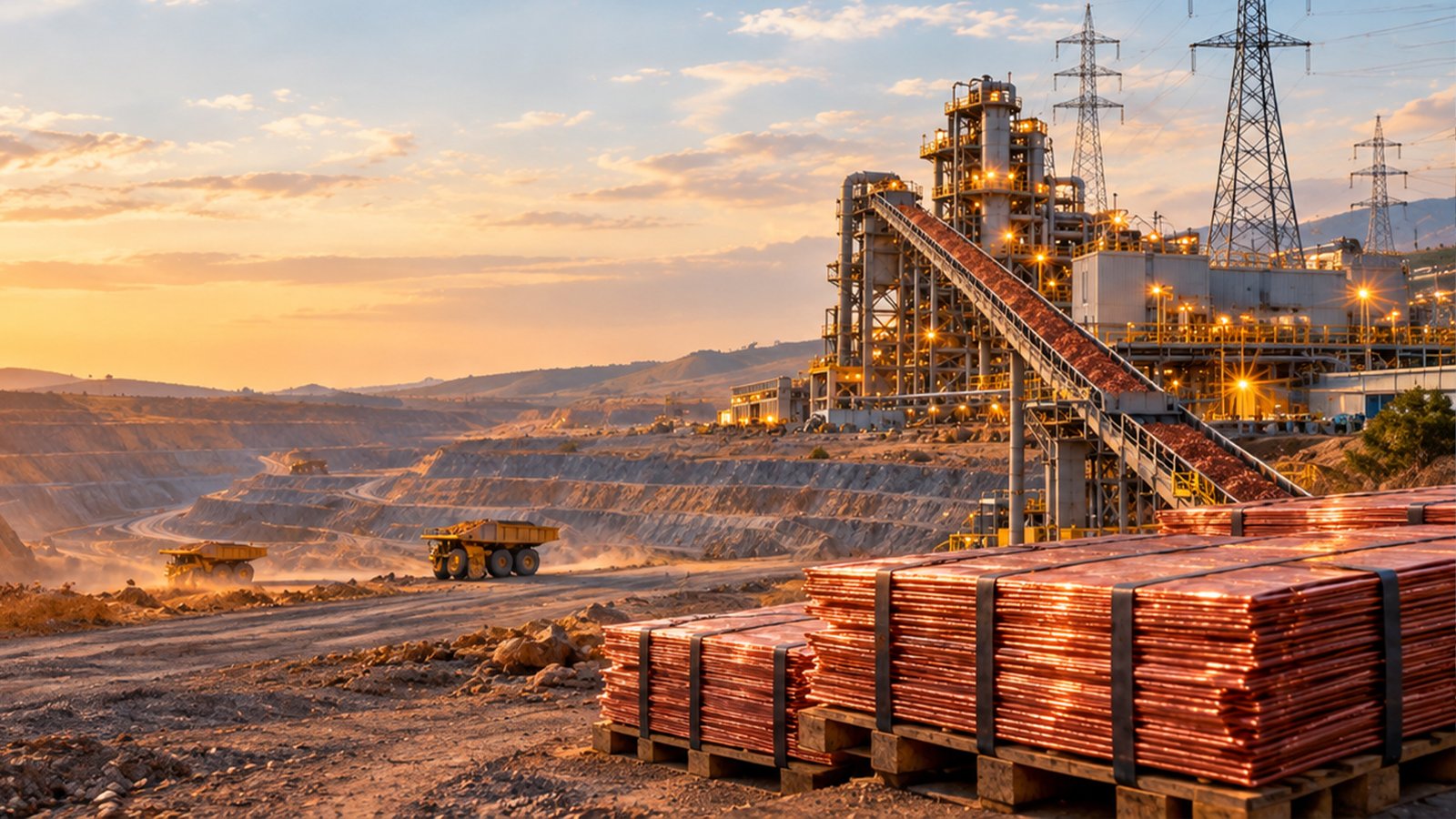
In mining, the opportunity extends beyond increasing mineral production. Zambia must build stronger local value chains around processing, engineering, equipment, logistics, technology and professional services.
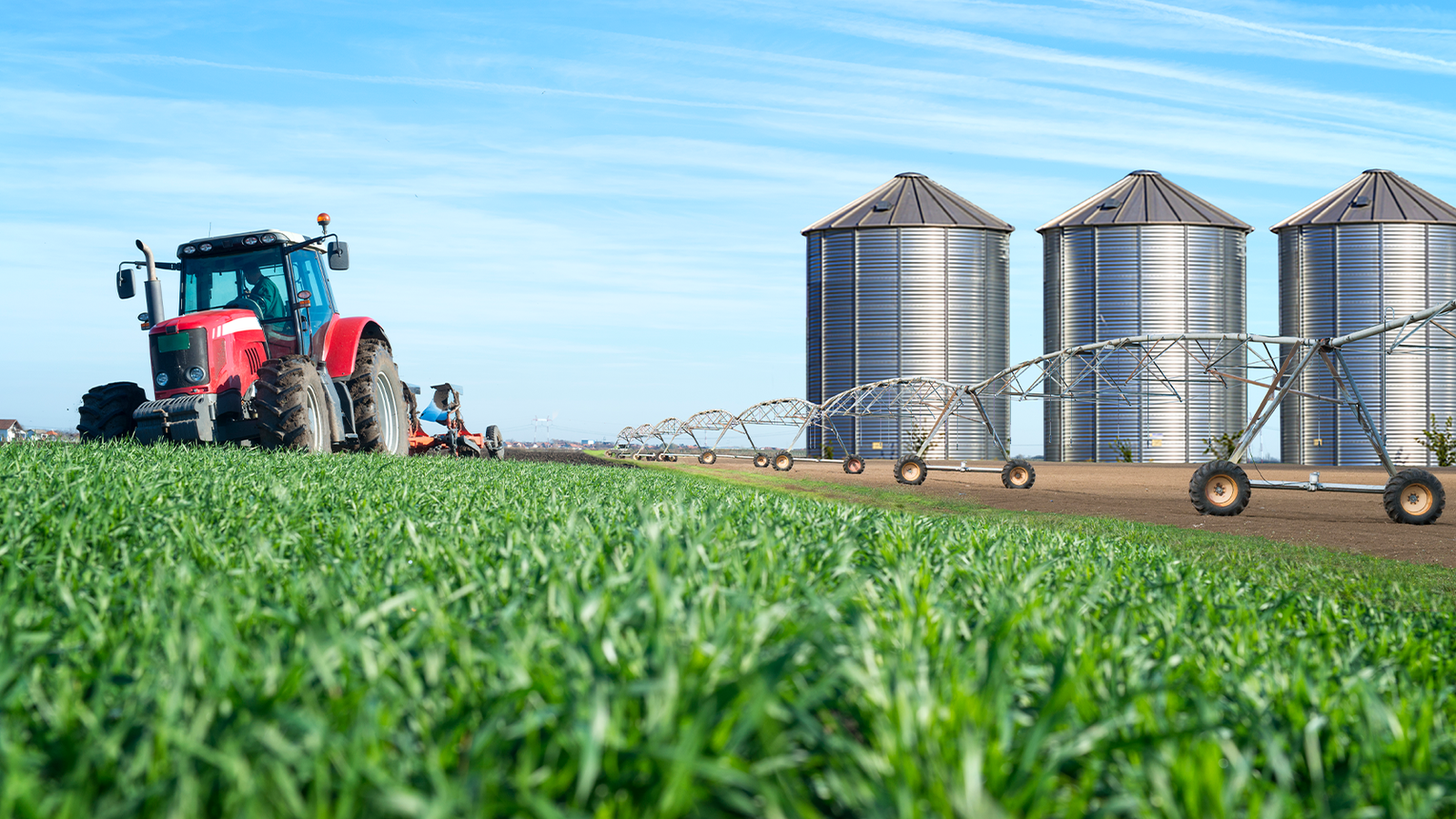
In agriculture, the focus should extend beyond producing larger harvests. Investment is needed in irrigation, storage, processing, packaging, animal feed, logistics and market access.
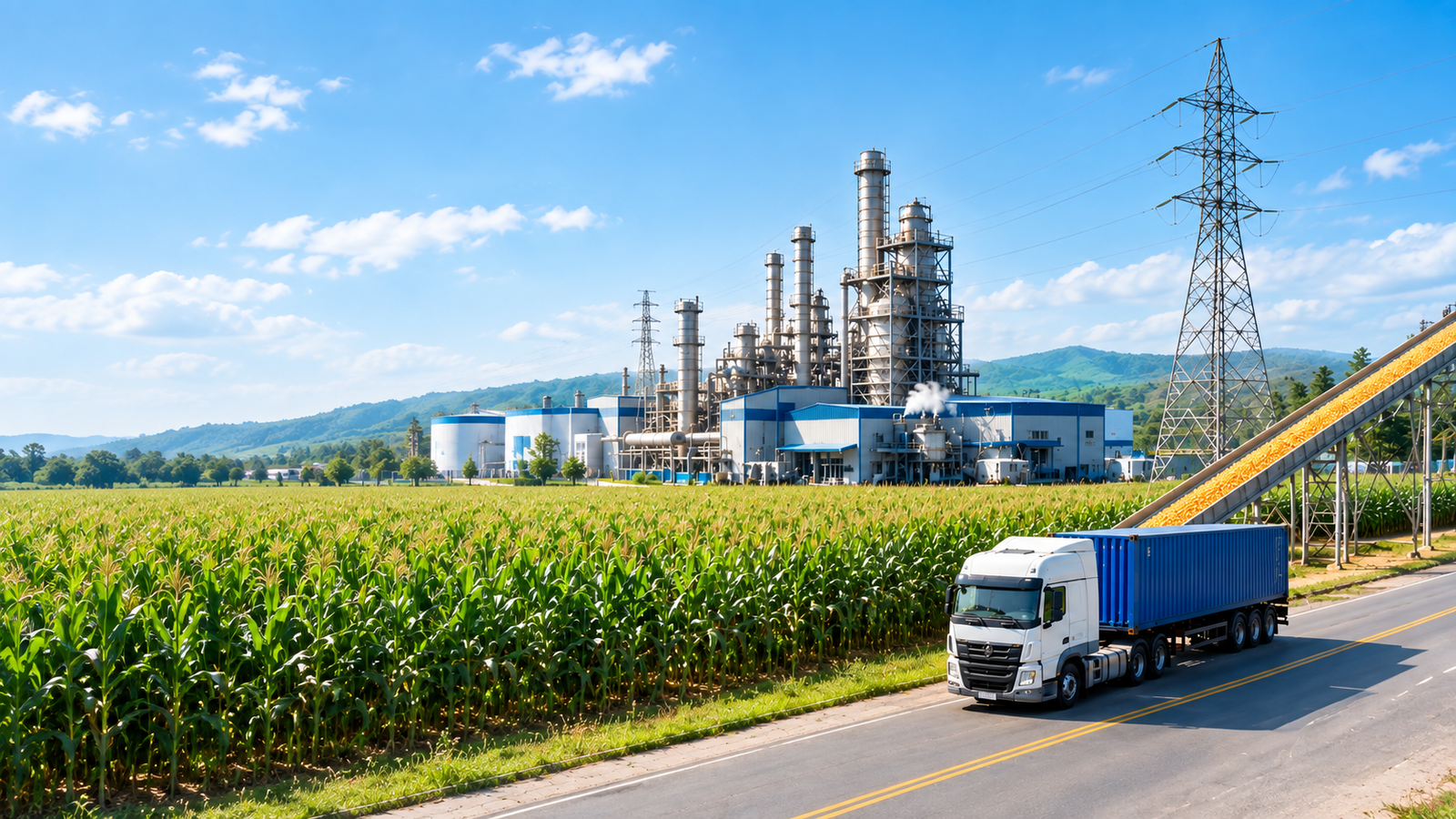
In manufacturing, businesses require energy security, affordable finance, predictable policy and competitive production costs to expand capacity and compete beyond Zambia’s borders.
AGRICULTURE SHOWS THE SCALE OF THE OPPORTUNITY
Agriculture has been identified as one of the sectors supporting Zambia’s current growth outlook.
The Food and Agriculture Organization’s Zambia 2026 investment profile identifies approximately US$173.4 million in potential agrifood investments across selected value chains, with an estimated internal rate of return of 24.9%.
The identified opportunities cover beef, soybean, honey and beans and could directly benefit more than 255,000 people.
These figures demonstrate that Zambia’s growth opportunity is not limited to large national financing arrangements. It also lies in building investable projects that connect capital to production, processing, markets and livelihoods.
A FISCAL WARNING MUST ALSO BE CONSIDERED
The IMF has indicated that Zambia’s fiscal position has weakened because of lower-than-expected revenue collection and higher-than-budgeted expenditure by the Food Reserve Agency.
This highlights the balance that must be maintained.
Government must preserve fiscal discipline while protecting the productive and social investments required to support long-term growth.
Agricultural support, infrastructure spending and public investment must be carefully structured, transparently managed and connected to measurable economic outcomes.
The objective should not simply be to spend less. It should be to spend more effectively and ensure that public expenditure strengthens productivity, resilience and national development.
WHAT THIS MEANS FOR THE PRIVATE SECTOR
The proposed IMF programme is not direct financing for individual businesses. Its wider value is the credibility and policy stability it can help create around the economy.
Businesses must also use this period to strengthen their own investment readiness.
This includes improving governance, financial reporting, compliance, certification, production systems, environmental standards and corporate communication.
Companies that can clearly demonstrate their capacity, impact and long-term value will be better positioned to attract investment, enter strategic partnerships and participate in major supply chains.
WHAT THIS MEANS FOR INVESTMENT COMMUNICATIONS
As Zambia seeks to attract and retain investment, companies must communicate beyond announcements and intentions.
Investors, regulators, partners and communities increasingly expect evidence of:
* Capital deployed
* Projects delivered
* Jobs created
* Suppliers developed
* Skills transferred
* Production increased
* Exports generated
* Economic value retained locally
Corporate communication must therefore connect individual business investments to Zambia’s wider economic priorities.
Companies should demonstrate how their operations support industrialisation, food security, energy resilience, exports, employment and Vision 2030.
MEDIA KEY PERSPECTIVE
Zambia’s proposed US$1.5 billion IMF programme represents another opportunity to strengthen the country’s economic foundation.
However, stability must not become the final destination.
The next priority is to translate policy credibility into productive finance, investment, industrial capacity, exports and sustainable employment.
The success of the programme will not be measured only by the amount approved or disbursed. It will be measured by whether the economic environment becomes more supportive of businesses that produce, process, employ and export.
Zambia has already demonstrated that it can pursue difficult reforms and rebuild international confidence.
The next chapter must be about using that confidence to build a more productive, competitive and resilient economy.
CEO TAKEAWAY
The proposed IMF programme can help preserve Zambia’s macroeconomic stability, but businesses require more than stability.
They need predictable policies, affordable productive finance, reliable infrastructure and an operating environment that supports expansion.
The real opportunity is to convert renewed economic confidence into factories, farms, value-added products, stronger exports and sustainable jobs.
Sources: Reuters reporting on the IMF–Zambia staff-level agreement, 9 October 2026; FAO Hand-in-Hand Investment Forum, Zambia 2026 Investment Profile.
#MediaKeyInsights #MediaKeyMarketing #InvestmentSupportAgency #InvestmentCommunications #MadeInZambia #StrategicCommunications #GrowZambia #Vision2030