MEDIA KEY INSIGHTS | 28 SEPTEMBER 2026
ZAMBIA’S NEXT GROWTH PHASE: FROM STABILISATION TO PRODUCTIVE GROWTH
Zambia’s economic conversation is gradually shifting.
Following a period focused heavily on stabilisation, debt restructuring and restoring investor confidence, greater attention is now being placed on industrial production, value addition, exports, energy capacity and private sector growth.
This transition is important, but economic stability is not the final objective. Its real value will be determined by whether it creates the conditions for businesses to invest, factories to expand, farmers to access stronger markets and Zambian products to compete regionally and internationally.
The next phase must therefore be about productive growth.
Manufacturing must remain at the centre
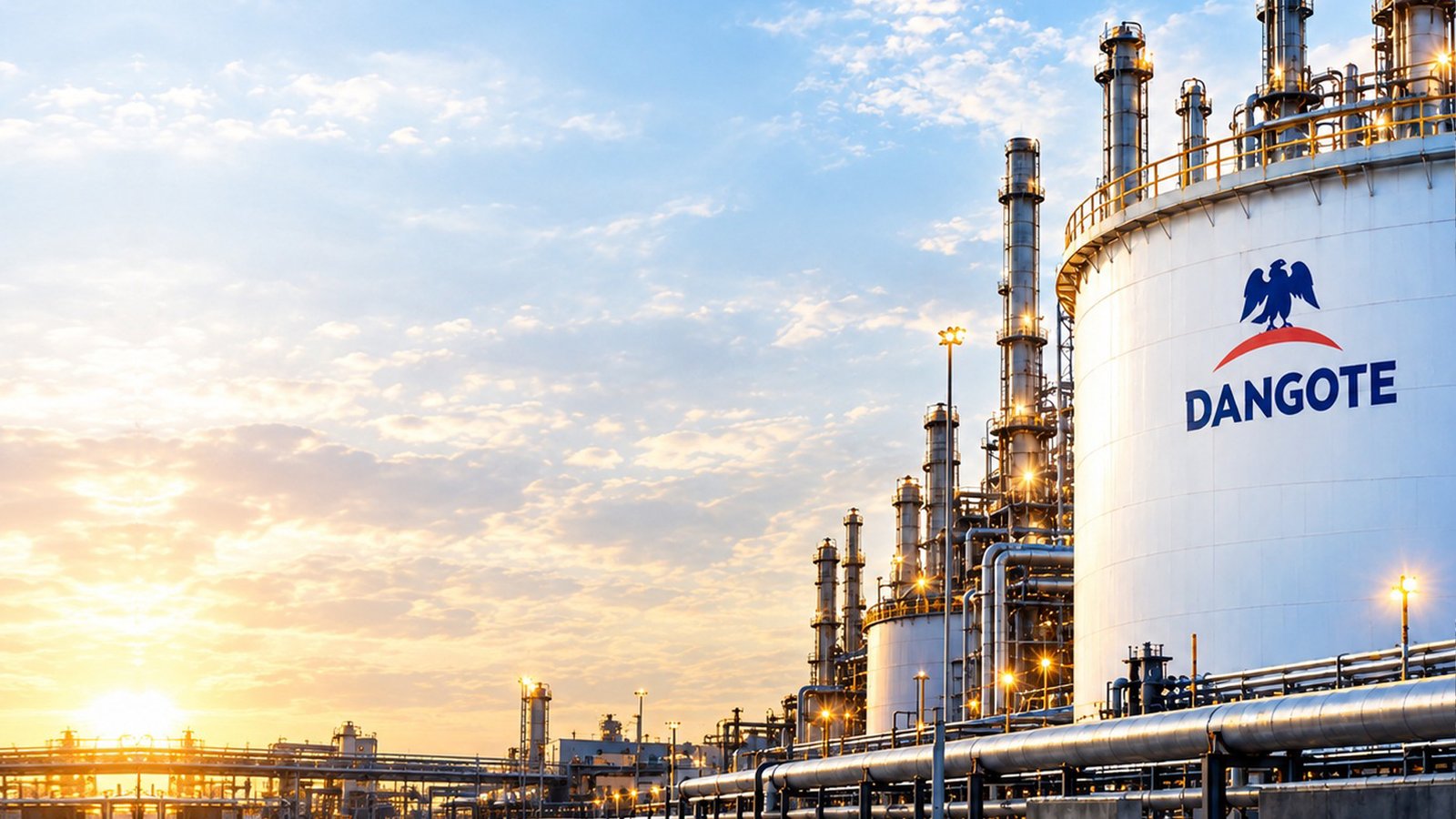
Manufacturing accounted for approximately 38.5% of actualised investment recorded by the Zambia Development Agency between 2021 and June 2026. The sector generated more than 46,000 jobs and contributes about 9.3% of Zambia’s gross domestic product.
These figures demonstrate the importance of manufacturing to Zambia’s economic transformation.
Manufacturing creates value beyond the factory floor. It generates demand for transport, packaging, equipment, technology, maintenance, professional services, financial services and local suppliers. It can also create more stable employment and expand the country’s export base.
However, investment announcements alone do not guarantee industrial growth. The greater test is whether announced investments become operational businesses, expand production and create sustainable opportunities within local supply chains.
For manufacturers, the next growth phase will require reliable electricity, predictable taxation, access to long term finance, efficient logistics and a competitive operating environment.
For Zambia, the objective should be to strengthen the full industrial ecosystem rather than focusing only on the number of new factories announced.
Energy investment is industrial investment
Reliable and affordable energy remains one of the most important requirements for productive growth.
On 18 September 2026, the Zambia Development Agency signed an Investment Promotion and Protection Agreement with Ndola Vioqua Energy for a planned US$450 million, 450 MW thermal power plant in Ndola.
The project is expected to create approximately 640 jobs, together with opportunities for contractors, suppliers and service providers.
It is important to recognise that this is a planned investment and does not yet represent additional operating power capacity. However, it signals continued investor interest in addressing one of the country’s most significant industrial constraints.
For manufacturers and agro processors, reliable electricity affects production volumes, operating costs, product quality, delivery timelines and competitiveness.
Energy policy should therefore not be viewed separately from industrial policy. Investment in generation, transmission and alternative energy directly influences Zambia’s ability to manufacture, process and export competitively.
A trade surplus is positive, but value addition matters more
Zambia recorded a K4.1 billion trade surplus in July 2026, with exports valued at K29.7 billion against imports of K25.6 billion.
Export earnings from capital goods increased by 56.2% compared with the previous month. However, cumulative total trade between January and July 2026 stood at K359.2 billion, representing a 4.8% reduction from the same period in 2025.
The trade surplus is encouraging, but the quality and composition of Zambia’s exports remain important.
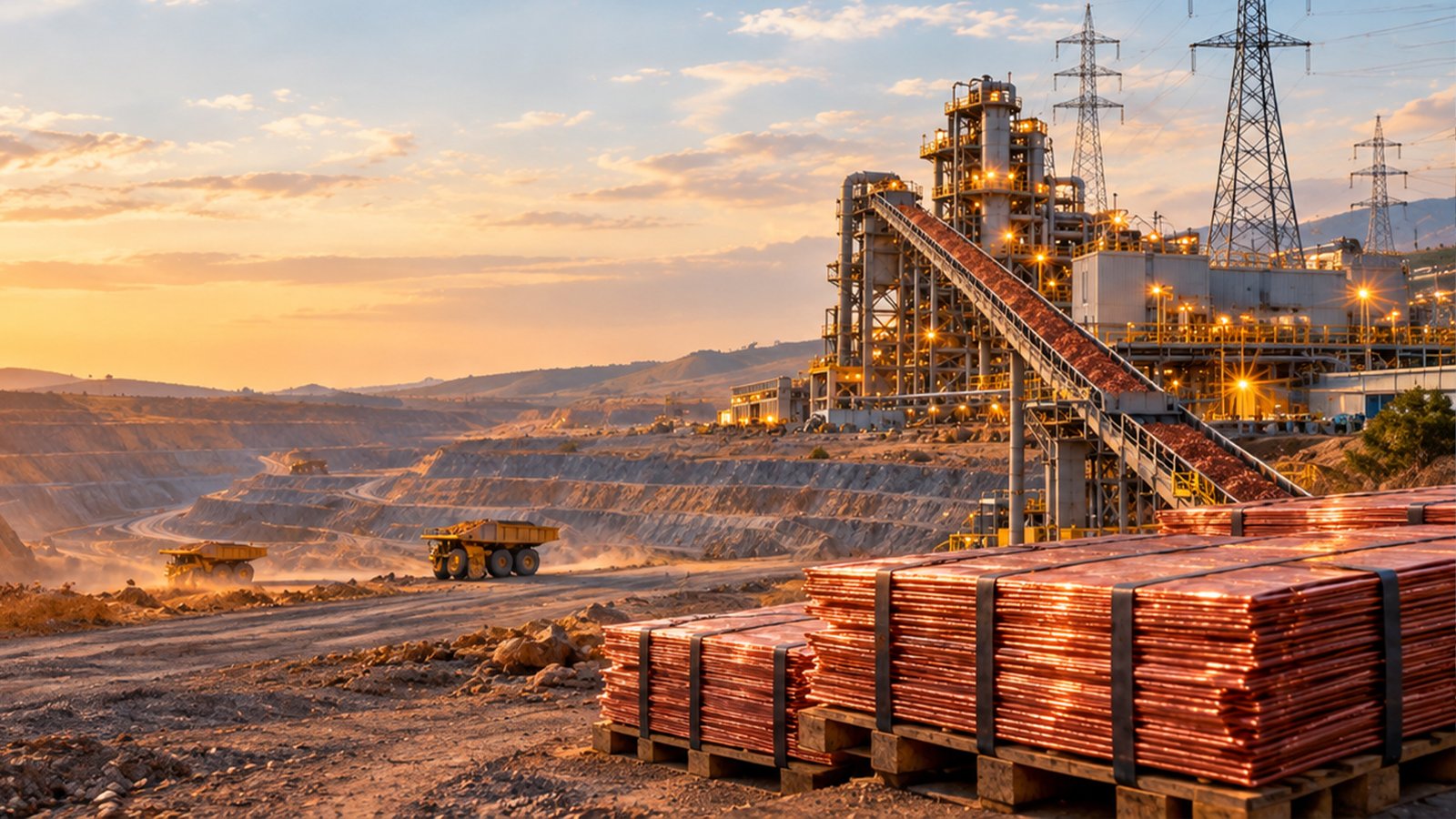
The country must continue moving beyond exporting raw materials and towards producing higher value goods. This means processing more agricultural products, manufacturing more construction materials, expanding mining related industries and developing competitive Zambian brands.
The question is not simply how much Zambia exports. It is how much value is created locally before those products leave the country.
Greater value addition can create jobs, retain more income within the economy, strengthen local suppliers and reduce vulnerability to changes in global commodity prices.
Agriculture must connect production to processing and markets
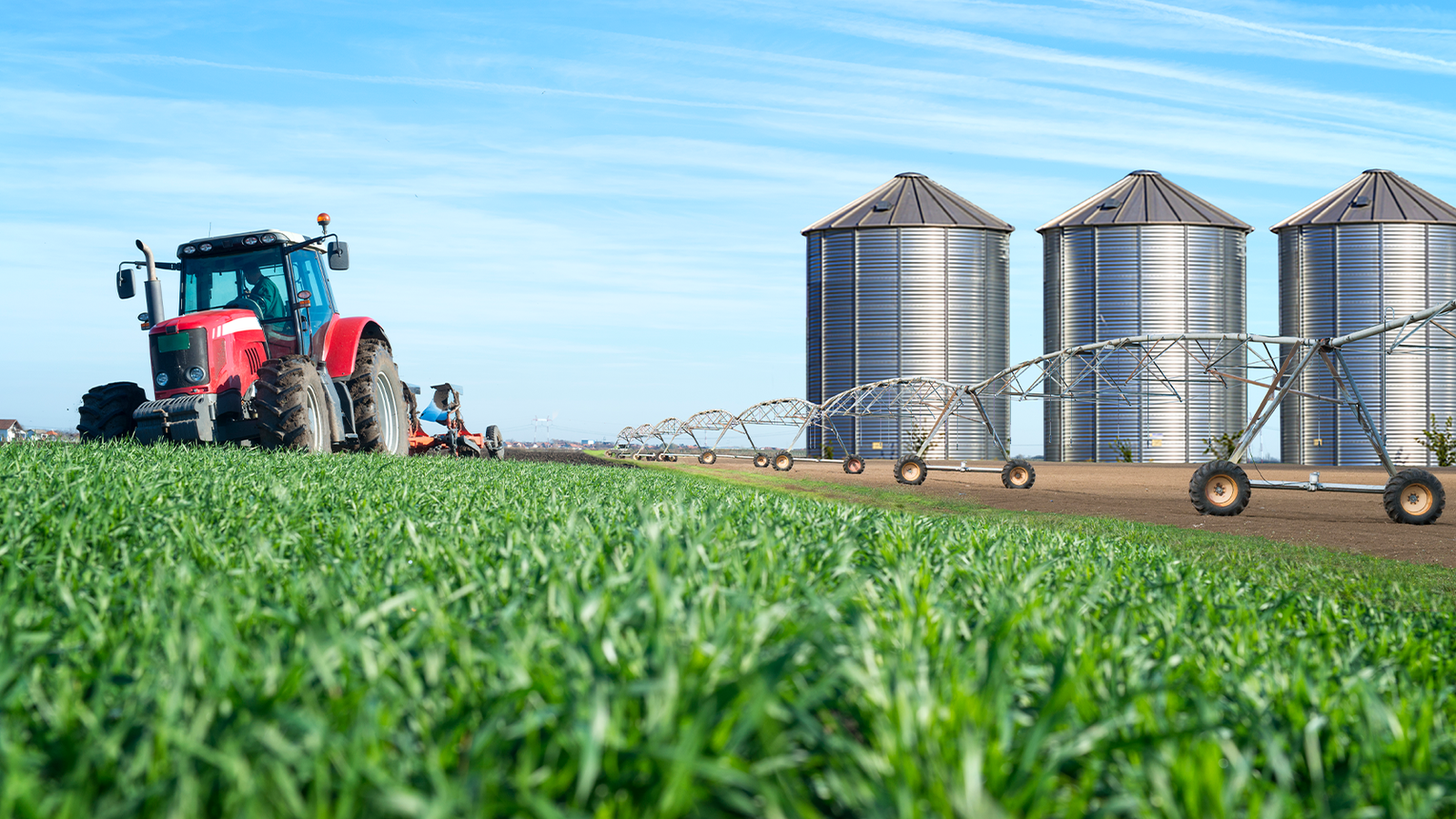
Zambia’s 2025/26 crop forecast projects a maize harvest of approximately 4.94 million metric tonnes.
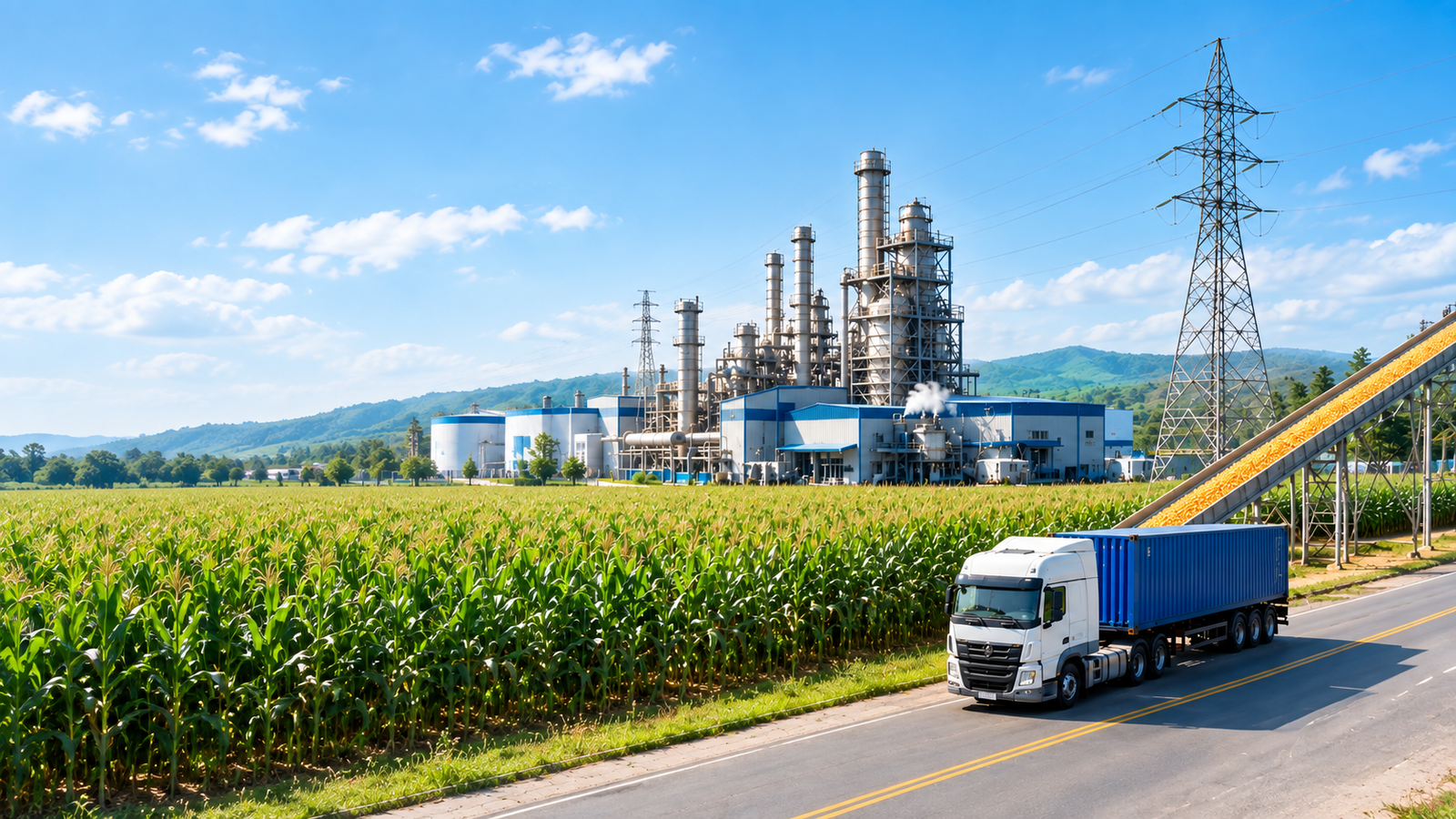
This level of production creates opportunities across milling, animal feed, food processing, storage, packaging, transportation and regional trade.
However, a strong harvest does not automatically create strong economic returns.
Farmers require dependable buyers, appropriate storage, competitive input costs and access to market information. Processors require reliable raw materials, energy, finance and distribution networks. Exporters require quality standards, efficient border systems and credible regional partnerships.
Agricultural growth must therefore be measured beyond the volume harvested. It should also be measured by the amount processed locally, the value earned by farmers, the businesses created and the markets reached.
For agriculture and fertilizer companies, the strategic message should move beyond encouraging farmers to produce more. It should include producing efficiently, improving quality, adding value and accessing stronger markets.
Productive growth requires connected systems
Investment, energy, trade and agriculture should not be treated as separate economic stories.
They form part of one productive system.
Manufacturers need electricity and access to finance. Farmers need processors and markets. Exporters need competitive products and reliable logistics. Investors need policy certainty, credible information and capable local partners.
When these systems operate together, investment can create production, production can generate jobs and value addition can strengthen exports.
When they operate separately, Zambia risks recording positive investment announcements without achieving the full economic impact.
The next growth phase should therefore focus on connecting capital, infrastructure, production, skills, suppliers and markets.
What businesses should do next
Zambian businesses should prepare for this shift by examining their role within the country’s wider industrial and investment agenda.
Companies should:
Strengthen production and operational readiness.
Identify opportunities for local sourcing and supplier development.
Invest in energy efficiency and alternative power solutions.
Improve product quality, packaging and certification.
Build stronger distribution and export partnerships.
Measure and communicate their contribution to jobs, skills, local procurement and national development.
Present credible investment stories supported by evidence and transparent reporting.
Businesses that communicate only what they sell may miss the larger opportunity. Investors, government institutions, development partners and customers increasingly want to understand the broader value a company creates.
The role of strategic communication
Productive growth also requires effective communication.
Industrial companies should be able to explain what they manufacture, how many people they employ, what they source locally, which markets they serve and how their investments contribute to national development.
This is particularly important for companies operating in manufacturing, agriculture, mining, energy and infrastructure.
Clear investment communication can strengthen stakeholder confidence, attract partnerships, support market entry and improve relationships with government, communities and financial institutions.
Corporate communication should therefore not be treated only as publicity. It should form part of investment readiness and business growth.
MEDIA KEY PERSPECTIVE
Zambia’s movement from stabilisation towards productive growth represents an important economic opportunity.
However, the transition will not be measured by positive indicators and investment announcements alone. It will be measured by operating factories, reliable power, competitive businesses, stronger value chains, improved farmer incomes, sustainable employment and higher value exports.
Investment must become production.
Production must create value.
Value must translate into jobs, exports and greater economic resilience.
As Zambia works towards Vision 2030, the opportunity is to build an economy that does more than attract capital. It must convert capital into industries and industries into lasting national value.
#MediaKeyInsights #MediaKeyMarketingZambia #InvestmentSupportAgency #InvestmentCommunications #ZambianManufacturing #IndustrialGrowth #ValueAddition #MadeInZambia #Vision2030 #UnlockEngageGrow